

Most buyers walk into the final inspection unsure what to look at. They glance around, decide all looks fine, and sign off. Then a broken heater or a missing appliance turns up days later, and the cost lands on them.
Pre Settlement Inspection Checklist Every Australian Buyer Needs
Continue reading and get the actual checklist that shows you what to test before settlement. Learn what the seller must repair and when a lawyer can step in to protect you.
Key Takeaways
- A pre-settlement inspection is your last legal chance to protect yourself.
- A clear checklist stops you from missing problems during the walk-through.
- The property must match exactly what you agreed to buy.
- Damage that happens after signing is the seller’s job to fix.
- Missing the inspection can cost you thousands after settlement.
- Your conveyancer or lawyer should know about any problems straight away.
- Settlement can be delayed if serious issues are found, and a delay is fine.
One Right Worth Using
Settlement day feels like the finish line, and for most buyers, it is. Before any money moves, one legal right still belongs to you.
A pre-settlement inspection lets you walk through the home before you pay. The point is simple. Check the property looks the same as when you signed the contract.
Most buyers get one inspection. A second visit is possible if problems show up during the first.
Why Buyers Miss Problems
The trouble starts when buyers arrive with no plan. A home looks tidy, the rooms feel right, and a quick glance feels like enough. Real faults hide behind a clean surface.
A written list fixes the gap. With each item named, you test it instead of trusting first impressions. Nothing important slips past you.
The Checklist to Take With You
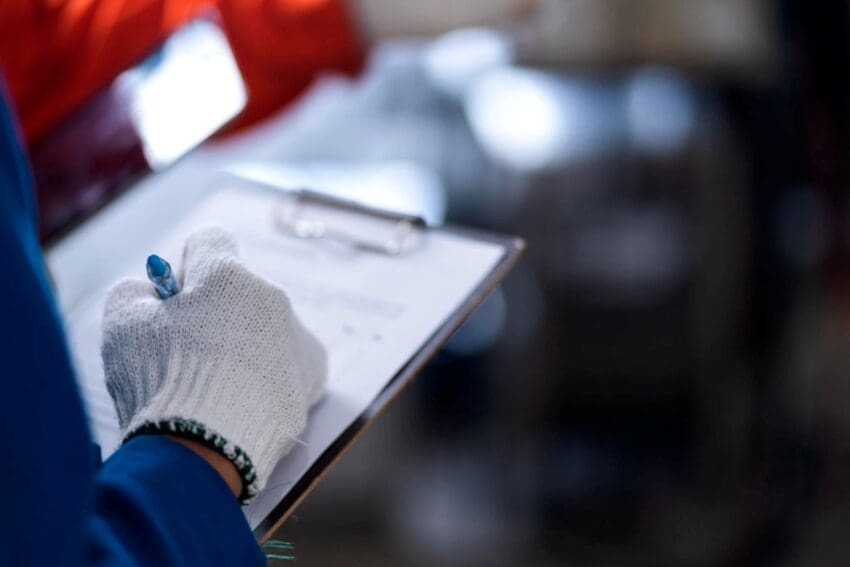
Print the list below and tick each item as you walk through the home.
Kitchen and laundry
- Dishwasher, oven, cooktop, and rangehood all turn on.
- Taps run hot and cold with no leaks.
- Sink and drains empty freely.
Bathrooms and toilets
- Each toilet flushes and refills.
- Showers and taps run with steady pressure.
- No new water stains on walls or ceilings.
Living areas and bedrooms
- Heating and cooling units turn on and work.
- Every light, switch, and power point works.
- Windows, doors, and locks open and close.
Inclusions and condition
- Blinds, curtains, and agreed fittings are still there.
- Built-in appliances listed in the contract remain in place.
- Walls, floors, and ceilings show no new damage.
Outside
- Garage doors and remotes work.
- Fences, gates, and sheds match the contract.
- Pool or shared equipment runs as it should.
The Contract Sets the Standard
Every item on your checklist links back to your contract of sale. Fixtures, appliances, blinds, agreed fittings: each one needs a check. Missing or broken items give you the right to act before settlement.
The overall condition should match what you saw at signing. Normal wear and tear is fine. New, serious damage is not.
The Seller Carries the Risk
Until settlement, the seller remains responsible for the property. Any damage before you get the keys is theirs to repair. You do not have to accept a home in worse shape than agreed.
The point surprises many buyers. Problems found late feel like something to accept and move past. The law says you have options, as long as you act before settlement is final.
The Real Cost of Skipping
A rush toward settlement is easy to understand. The process has been long, and you want to move in. A skipped inspection turns every later problem into your cost.
A missing appliance may look small at first. Repairs add up quickly. One careful walk-through saves money you never planned to spend.
Do not pay extra, contact us to guard your big investment.
Photograph Everything
Take photos of anything wrong as you work down the list. Clear pictures become your proof if a dispute comes up later. Your conveyancer needs the images to help you act.
Match each contract item against what is in the home. Anything missing should be reported before settlement.
Call Your Lawyer the Same Day
A problem found at inspection does not mean the deal is over. The result depends on how fast you report it. A delay in speaking up is what hurts you most.
Phone your conveyancer or property lawyer the same day. A written notice then goes to the seller’s lawyer. Quick action keeps your settlement on track.
Melissa Barlas and the Conveyed team have helped buyers with pre-settlement issues throughout Australia. Small or serious, every case gets careful attention and a clear way forward. Clients often say they felt looked after instead of stressed.
A Delay Can Protect You
A delayed settlement is not a failed one. Serious issues at inspection led a lawyer to ask for more time. The seller then fixes the problem before you pay.
Many buyers worry about delays because moving in feels urgent. A short wait costs far less than settling on a faulty home. For more first-buyer guidance, Melissa shares free tips on The First Home Show.
Talk to Melissa Before You Settle
A pre-settlement inspection looks after your money, your rights, and your peace of mind. Reach out to Melissa Barlas at Conveyed. Bring your questions, talk through your property, and take the next step with confidence.
Frequently Asked Questions
When during the settlement period can I do my pre-settlement inspection?
Most contracts allow one pre-settlement inspection in the final days before settlement. In NSW, buyers often get the chance in the week before the settlement date. Your solicitor confirms the exact timing for you.
Is a pre-settlement inspection the same as a building and pest inspection?
No. A building and pest inspection happens early, usually as a special condition before you sign. The later inspection of the property only confirms its condition has not changed since the contracts were exchanged.
What happens if I find a burst water pipe or a new hole in the wall?
Ask the vendor to fix it before settlement and request the seller put the repair in writing. Damage to the property that appeared after exchange must be addressed by the vendor. A solicitor can negotiate the necessary repairs on your behalf.
Can settlement go ahead if repairs agreed upon are not finished?
Yes, depending on the conditions of the contract. Some buyers accept money instead of completed work. Others wait 30 to 90 days until the seller’s obligations have been met.
Do I have a right to inspect if rubbish is left behind?
Yes. The right to inspect gives you the opportunity to make sure all rubbish has been removed. Check that everything included in the sale, from light switches to fittings, still works before you sign off.
Should I bring building inspection reports to the final walk-through?
Yes. Earlier inspection reports and your initial inspection notes help you spot fresh faults. Comparison makes the building inspection findings far more useful for both buyers and sellers.
How far ahead should I arrange a time to inspect the property before settlement?
Contact the agent several weeks or even months ahead to arrange a time. Booking early avoids a rushed property inspection and gives you room to raise concerns before the day of settlement.
Relax knowing our experts are handling your property conveyancing.