


Settlement day feels like the finish line after months of searching, saving, and waiting. But one document deserves close attention before the sale closes, because it lists every cost of your purchase. Do you know what your settlement statement says?
What First Home Buyers Should Know About Settlement Statements
Continue reading and learn what a settlement statement covers and why it matters before you sign anything.
Key Takeaways
- Settlement day marks the final step before you take ownership of your home.
- Your settlement statement lists the exact costs of your purchase.
- Comparing the statement against your contract catches errors before settlement day.
- Common mistakes include wrong day counts, double fees, and price typos.
- Understanding your statement helps you avoid paying more than you should.
Your Final Step to Ownership
Settlement is the day the property becomes legally yours. Before this day, your lawyer checks your settlement statement against the contract to spot any errors. You then pay the remaining money owed, and your lawyer sends the transfer documents to the government body which records property ownership. Reading your settlement statement beforehand helps you know what you owe before settlement day arrives.
What Your Settlement Statement Includes
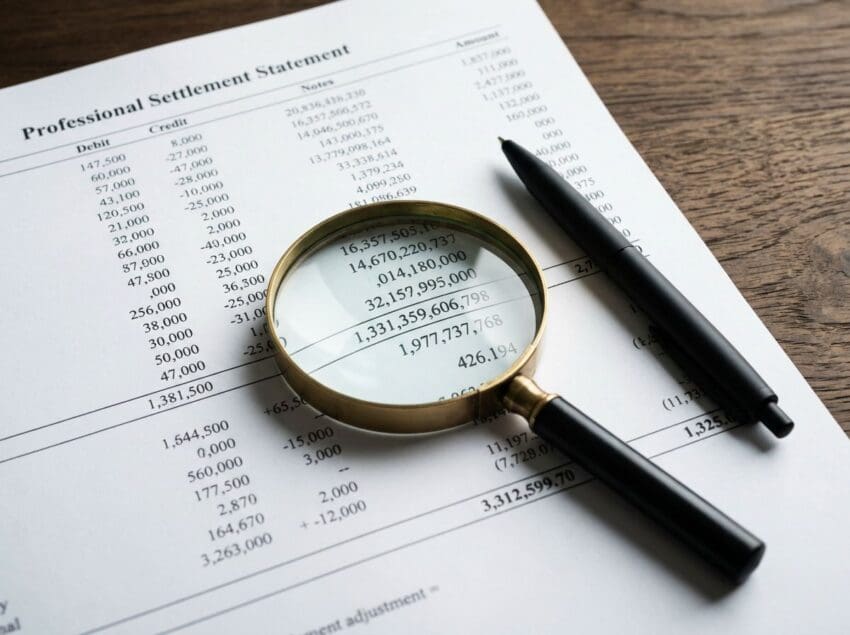
Your settlement statement lists the exact costs of your purchase. It shows the purchase price, the deposit already paid, and the remaining balance owed. Council rates, water charges, and other shared costs get split between buyer and seller, with the amount each side pays depending on how many days each side owned the property that year. Stamp duty and conveyancing fees can also appear on the statement, depending on how your purchase was arranged.
How to Check Your Statement
Before settlement, compare your settlement statement against your contract of sale, line by line. Confirm each figure; it should match what the contract states, and ask about anything unfamiliar. If something looks off, ask about it before settlement day, not after. A lawyer can also run this check for you and compare every line against the contract on your behalf.
A property lawyer knows what to look for on your statement and can spot errors before they cost you money at settlement.
Common Errors to Watch For
A statement can list the wrong number of days for a rate or water adjustment, changing the final amount owed. A fee can appear twice, once in the contract as a deposit and again on the statement. The deposit already paid can show a different figure than the amount you actually transferred. A typo in the purchase price can leave the statement out of line with the contract of sale. A lawyer can compare each figure against your contract and catch mistakes before settlement day.
Know What You’re Paying For
Understanding your settlement statement helps you avoid paying more than you should. Settlement doesn’t have to feel confusing or rushed once you know what to look for. Reach out to Melissa Barlas to discuss any issues, dilemmas, or experiences related to your property transaction.

Frequently Asked Questions
What happens during the settlement process?
The settlement process is the final stage of a property purchase, where the buyer pays the outstanding balance and the seller transfers the property. A conveyancer or solicitor manages the steps so the property transfer completes correctly.
How is a settlement adjustment worked out?
A settlement adjustment covers costs such as council rates or owners corporation fees, split between buyer and seller based on the settlement date. These figures get calculated in the settlement statement before final settlement.
What is a statement of adjustment?
A statement of adjustment is another name for the closing statement used in real estate settlement. It lists the purchase price and deposit, along with any shared expenses related to the property.
When do I receive my settlement statement?
Buyers usually receive their settlement statement from their conveyancer or solicitor before settlement occurs, giving them time to check the statement carefully. It should be reviewed against the contract of sale before signing off.
What is included in the settlement statement?
A completed settlement statement includes the purchase price, deposit, and any adjustments that need to be finalised between buyer and seller. Some purchase and sale matters also include disbursements, with corresponding amounts inclusive of GST.
Does the settlement statement cover the First Home Owner Grant?
If a first home buyer applies for the First Home Owner Grant, this amount can form part of the total loan amount shown in the statement summary. A conveyancer can confirm how this affects the amount payable by the buyer.
What if the seller has paid council rates in advance?
If the seller has paid council rates in advance, this applies to the settlement statement as an adjustment, so the buyer only pays their share from settlement day onward.
Where are settlement documents kept after final settlement?
Once settlement is complete, settlement documents are usually kept in a settlement folder by the conveyancer or solicitor. The property transfer is then recorded with the relevant land title authority, and the buyer takes possession of their new home.
Relax knowing our experts are handling your property conveyancing.