
A block can look perfect and still hide a problem. Written on the title, another person may hold a right to use part of the land. An easement on property shapes what a buyer can build, dig, or change. Keep reading and learn how to spot an easement before it shapes your plans. Catch it early, and you hold the power at the negotiating table.
Easement On Property: A Buyer’s Plain Guide
Continue reading and learn how an easement can quietly limit what you build on your own block. Find out what happens to your money if the right surfaces only after settlement. Learn how a property lawyer reads the fine print you might rush past.
Key Takeaways
- An easement gives another person a right over part of a block.
- A buyer holds the land but shares its use.
- Easements appear inside the contract and vendor statement.
- They affect where a homeowner builds, digs, or extends.
- A surprise after settlement can lead to cost and stress.
- A property lawyer checks easement risks before a purchase.
- Early knowledge makes the choice clearer.
What An Easement Means
An easement lets another person use part of a block. The party who holds it might be a neighbour, a council, or a power or water company. The right stays with the title and passes to each new buyer. A purchaser still keeps the land. Someone else simply gains access to cross it, drain water through it, or reach pipes below.
Land You Hold But Share
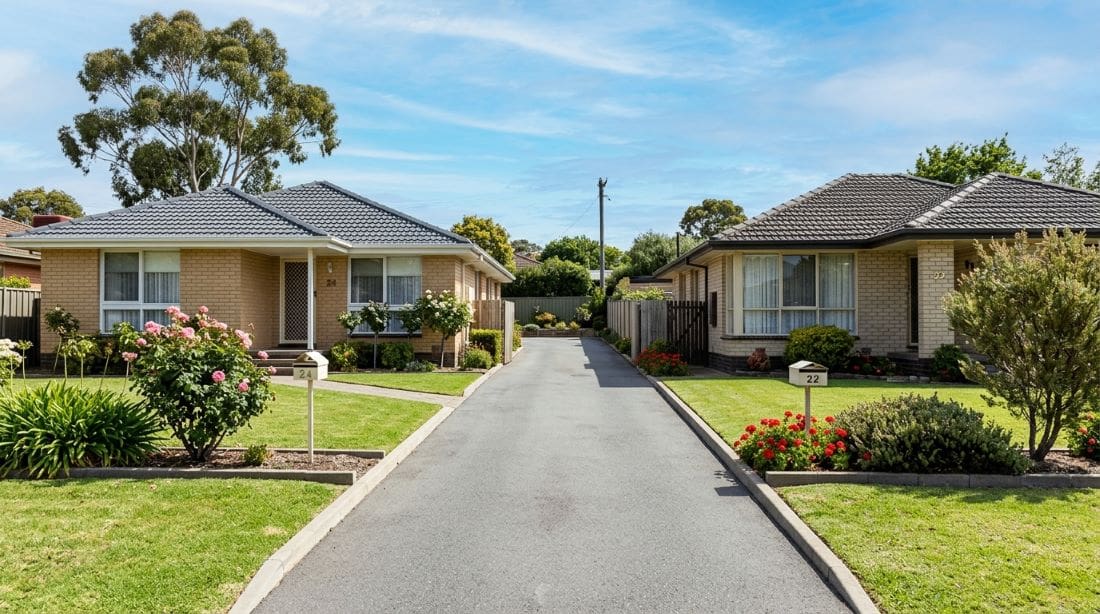
A new title can feel like full control over every part of a yard. An easement changes the picture. Picture a drain running under the lawn. A heavy build over that line may not get approval. The right to the strip belongs to someone else.
Where Easements Hide
Easements never show up at an open inspection. They wait inside the contract of sale and the vendor statement. A document called a section 32 lists the rights tied to a property. Many buyers rush past the pages and miss a key detail.
Limits On Building And Digging
An easement can block a building plan. Your new deck, pool, or granny flat may land on a marked area. Water or power crews may also need to reach pipes under the ground. Designs that ignore the right can get knocked back by the council.
The Cost Of Late Discovery
An easement found after settlement upsets even a careful buyer. The purchaser becomes responsible for the land from the contract date. Recovering a deposit is rarely an option by then. Some new homeowners end up with a block unfit for the plan. A title check before signing helps a buyer steer clear of the trap.
How A Lawyer Checks The Risk
A property lawyer reads the documents closely before a buyer signs. The advice covers where an easement runs, how wide it is, and how it limits a planned use. Conveyed offers an easements and covenants review as part of its service. Clear notes on each right help a buyer decide whether to negotiate, proceed, or step away.
About Conveyed And Melissa Barlas
Conveyed is an award-winning conveyancing law firm, doing good for people, by people. Melissa Barlas leads the practice with over a decade of property law experience. The firm carries more than 120 Google reviews, plus awards and media mentions, including Sole Practitioner of the Year in 2023. In April 2026, the Associated Press recognised the team. Clients in Victoria, New South Wales, Queensland, and Tasmania come to Conveyed for guidance.
Talk To Melissa Barlas
Know what your title holds, and you buy with full confidence. An easement is far easier to weigh before a contract than after the ink dries. A chat with Melissa Barlas at Conveyed turns the fine print into plain words. Bring your questions, your doubts, and your dream block to the table. Reach out today and find out what your title truly shows.

Frequently Asked Questions
How is an easement created on a parcel of land?
An easement starts by agreement or during subdivisions. A grantor and grantee record the terms for a specified purpose. The right is then created by registration at the titles office, where it is registered on the title.
Can an easement be removed or changed later?
Yes. Parties may vary an easement when needs shift, with the consent of the person who holds it. A court can extinguish one that serves no purpose, and the easement is removed from the certificate of title.
What does it mean to be burdened by the easement?
The servient tenement carries the load, while the dominant tenement keeps the benefit. The land affected stays benefited and burdened together. A property owner reads the land titles to see which role the parcel of land plays.
Who can hold the benefit of the easement?
A neighbour, a local authority, or a telecommunication provider may be the beneficiary. The right to use the land can attach to benefiting land nearby. A registered easement names the holder.
Can an easement be created for any reason?
No. An easement cannot be created without a clear benefit to the relevant land. A plan to use land for no clear reason will not qualify. The grant must serve land for a specified purpose.
What happens if a block is landlocked?
A landlocked parcel has no road frontage. A carriageway grants the owner of the land a route to access your property across a neighbour. The arrangement is reciprocal, giving mutual support between two titles.
Can someone use my land without permission?
Only a valid easement grants the right to use a strip. Use without permission, beyond the use of the easement, may count as trespass. A surveyor can mark the exact line on the ground.
Does an easement run for a fixed time?
Some last for good, while others hold for a specified period. The terms may also reserve access for a specific purpose only. A landowner checks how long the right stays attached to a parcel.
Why seek legal advice before you buy a property?
Easements can prevent access or limit building over underground pipes. Sound legal advice helps a buyer read every right before settlement. The registered proprietor then knows the full picture from day one.
Relax knowing our experts are handling your property conveyancing.