

Settlement day is close. Have you checked if the property still looks the same as when you agreed to buy it? Small changes are easy to miss, but once you get the keys, they become your problem, not the seller’s. That’s a costly mistake you don’t want to make.
Final Inspection Before Settlement: What Every Buyer Must Check
Keep reading to find out what the final inspection covers. You’ll also learn what to do if something feels wrong on the day of settlement, and how to protect yourself before settlement.
Key takeaways:
- Final inspection is your last chance to check the property before settlement.
- It shows if the property matches what you agreed to in the contract.
- You check every item included in the sale is still there.
- Any damage or missing items must be raised before settlement, not after.
- A conveyancer can explain your options if something is wrong.
- A missed final inspection can lead to costly problems you can’t fix later.
- A calm, careful check protects your money and your peace of mind.
Your Last Chance to Check
The final inspection happens a few days before settlement, usually within a week of the settlement date. It’s your last chance to walk through the property before it becomes yours. Once settlement occurs, you take on full responsibility for the home, and there is little you can do to fix problems afterward. That’s why this step matters so much.
Does the Property Still Look the Same?
Checking the property is something you do yourself during the final inspection, before your conveyancer gets involved with any issues. Look at the walls, floors, and overall condition of each room. Note anything new right away, like damage, broken things, or sudden changes. Some problems look small but can point to a bigger issue, like a water stain on the ceiling or a cracked tile.
Check the Items Included in the Sale
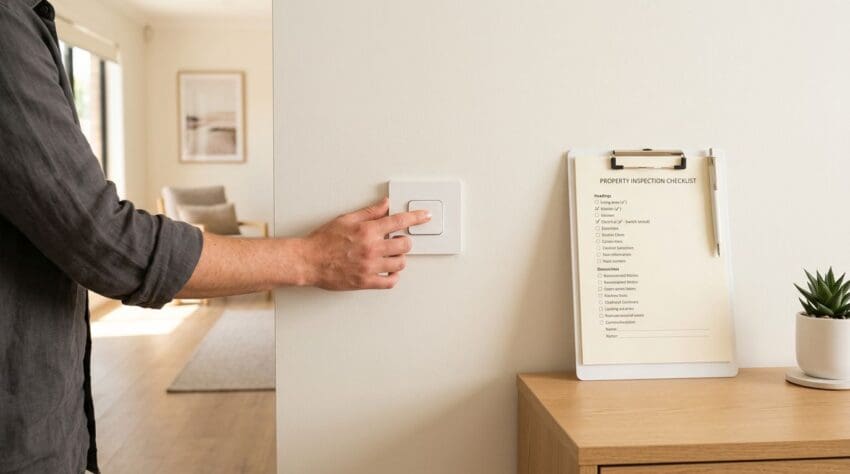
Contracts list items included with the property, such as the oven, light fittings, or a garden shed. Walk through each room and check the items are still there. Missing items are a common problem for buyers who skip this step.
Speak Up Before Settlement Day
Timing matters a lot here. Anything wrong must be raised before settlement, not after you get the keys. Call your conveyancer right away if you spot a problem. A conveyancer can help you work out if the issue needs a fix, a price change, or more time before settlement. Sellers must usually hand over the property in the same shape it was in when the contract was signed. Knowing that rule gives you a stronger position if something has changed.
Get Help If You Need It
Finding a problem during the final inspection can feel scary if you’re on your own, but a property lawyer can guide you through what to do next.
A good conveyancer can quickly check if the problem breaks the contract rules and explain your choices in simple words.
Protect Your Money
Rushing or skipping the inspection puts your money at risk, since problems get harder to fix once settlement happens. A proper check, along with advice from Melissa Barlas and the team at Conveyed, can help you spot issues early and make more confident decisions.

Frequently Asked Questions
What is a final inspection before settlement?
A final inspection is a walkthrough of the property in the days leading up to settlement. It lets you check the condition of the home and confirm every inclusion listed in the contract is still there.
When should I inspect the property before settlement?
Most buyers inspect the property 7 days before settlement, though some choose a date closer to the settlement day. Your conveyancer or solicitor can confirm the best timing for your contract.
What should I look for on a pre-settlement inspection checklist?
Check light switches, light fittings, taps, and smoke alarms. Confirm the fixtures listed in the contract of sale match what you see, and note any changes since your first inspection.
What happens if I notice a change during the inspection?
If something looks different from what’s listed in the contract, mention it to your conveyancer. They can guide you through the next step, whether that means a small adjustment or more time before settlement.
Can settlement be adjusted if something needs attention?
In some cases, yes. If repairs agreed upon by the seller are still in progress, your conveyancer can advise on a reasonable time frame that works for both parties.
Is a building and pest inspection the same as a final inspection?
Not quite. A building and pest inspection usually happens earlier, often before contracts were exchanged, to check the structure and look for pests. The final inspection happens closer to settlement day to confirm the property’s condition.
What if items are still at the property that shouldn’t be?
Items not agreed upon in the contract can simply be mentioned to your conveyancer before settlement, so everyone is clear on what’s expected by settlement day.
How long does a settlement period usually last?
A settlement period typically runs 30 to 90 days from when contracts were signed, though this varies by contract and state. Your conveyancer can confirm the settlement date and inspection window for your purchase.
Relax knowing our experts are handling your property conveyancing.