
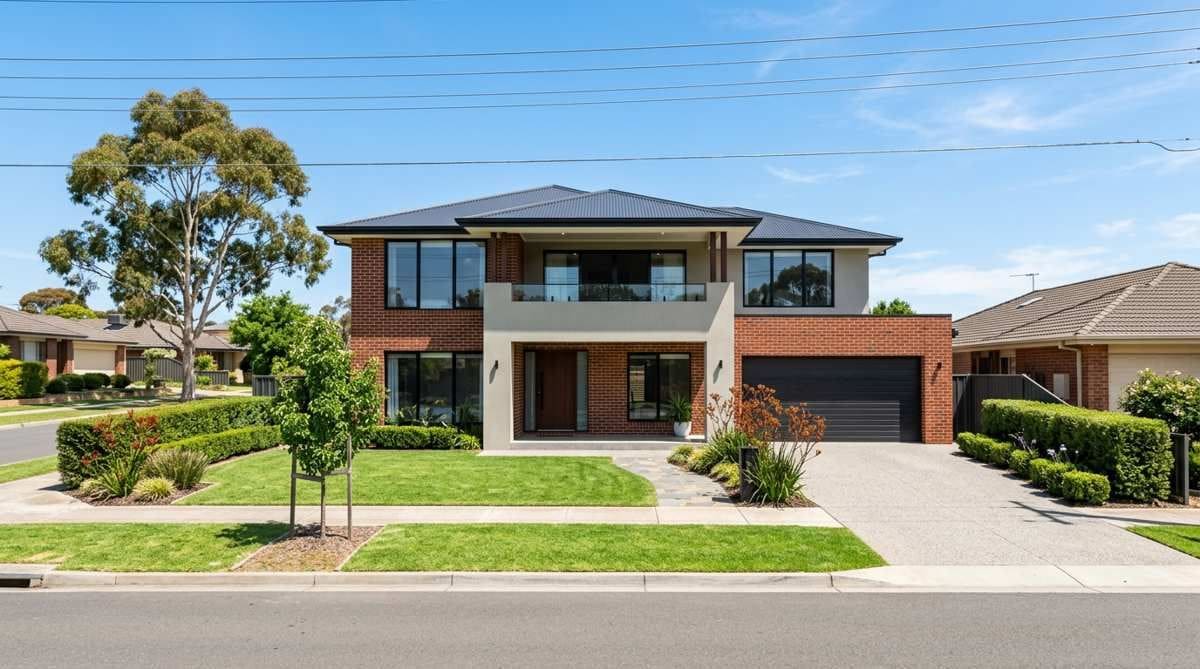
You have found a home and pictured your life inside it. But have you counted the stamp duty due at settlement? Check your eligibility for an exemption, and lower your stamp duty bill. Stamp duty is a tax you pay when you buy property in Victoria, so knowing the figure early helps you set the right budget.
Stamp Duty on Land Victoria: Know the Cost Before You Buy
Continue reading and learn how stamp duty on land in Victoria works. You will also discover how legal advice protects your savings before you sign.
Key takeaways
- Land transfer duty falls due within 30 days of settlement.
- You cannot add stamp duty to your home loan.
- Concession eligibility depends on strict rules many buyers miss.
- One wrong detail removes a $31,000 exemption.
- The vendor statement reveals costs far larger than any saving.
- Liability for the property passes to you from the contract date.
- Legal advice before signing protects your saving and your deposit.
What Is Stamp Duty in Victoria
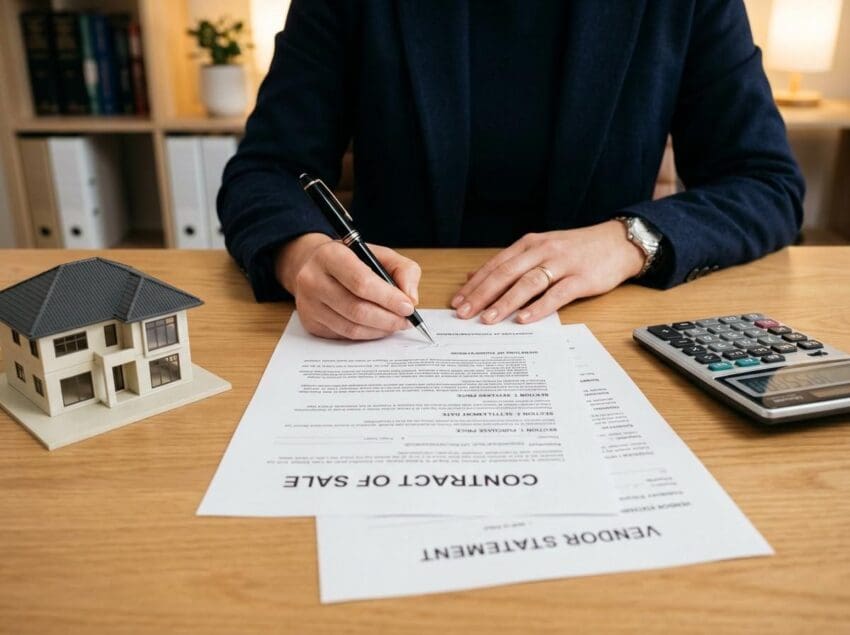
Stamp duty is a state tax you pay when a property transfers to a new owner. Victoria now calls the charge land transfer duty, though buyers still use the older name. The buyer pays this tax, not the seller, and the amount rises with the property value. Land transfer duty applies to houses, units, and vacant land alike. A property lawyer or conveyancer can calculate the exact duty owed before you sign, so you can budget with an accurate figure.
The 30-Day Payment Deadline
Payment reaches the State Revenue Office within 30 days of settlement, so mark this date early to stay clear of penalties. Your conveyancer or lawyer arranges the transfer for you. Most settlements schedule the payment on the day itself, which keeps you on time without extra effort.
Why Your Home Loan Does Not Cover Stamp Duty
Your home loan covers the purchase price only. It does not cover stamp duty. You pay land transfer duty yourself, separate from your loan. Set this amount aside with your deposit, well before purchase. Planning for this cost early keeps your settlement on track.
Discounts for First Home Buyers
Victoria offers first home buyers real duty relief. A property valued at $600,000 or less attracts zero tax. Between $600,001 and $750,000, a partial concession applies on a sliding scale. Eligibility carries firm conditions. You must be an individual who buys a first home. The buyer moves into the place within 12 months of settlement.
Exemption Mistakes to Avoid
The first home buyer exemption saves about $31,000 at the $600,000 mark. Any disqualifying fact removes the benefit entirely. If a co-buyer already owns property, the full exemption no longer applies. A wrong intention about moving in cancels it too. A purchase price above $600,000 removes the exemption and moves the buyer into the concession scale instead.
Other Costs Hidden in the Contract
Land transfer duty is only one cost among many. Owners corporation fees or flammable cladding repairs can cost far more than any concession saves. A careful read before signing shows the full cost of owning the property.
A property lawyer can review the contract and vendor statement before you sign, so you know the full cost ahead of settlement.
How a Lawyer Protects You
You carry the liability for a property from the day you sign the contract. If a serious problem shows up later, a buyer can rarely end the agreement. A property lawyer confirms your concession eligibility before you commit. The same check reviews the contract and vendor statement for hidden risk. Conveyed, founded by Melissa Barlas, has completed thousands of Victorian transactions. Fixed fees start from $330. A contract review turns around in 48 hours.

Frequently Asked Questions
How is stamp duty calculated in Victoria?
The State Revenue Office calculates stamp duty using the property’s dutiable value, usually the purchase price or market value. Victorian stamp duty rates rise on a sliding scale as the property value increases, and duty assessment applies whether you buy a primary residence or an investment property.
What is a stamp duty calculator?
A stamp duty calculator vic tool estimates the full stamp duty amount payable when you buy a property in Victoria. It uses the purchase price and other details to help you budget for stamp duty before you commit.
What does principal place of residence mean for stamp duty?
A principal place of residence is the home you live in as an owner-occupier. A purchase of this kind can qualify for a stamp duty concession. The concession gives eligible first home buyers purchasing under the threshold a reduced stamp duty amount.
Do foreign purchasers pay different stamp duty rates?
A foreign purchaser buying residential property in Victoria pays additional duty on top of the full duty rate. Only an Australian citizen or permanent resident qualifies for standard rates and first home buyer exemptions or concessions.
Can I get a stamp duty exemption if I already own another property?
Exemptions or concessions for a first-home buyer apply only to buyers who have never owned property before, across all states and territories. Owning another property, even partly, removes eligibility for the buyer stamp duty exemption.
What happens if I do not pay stamp duty within 30 days of settlement?
Duty is paid to the State Revenue Office within 30 days of settlement, and this deadline applies regardless of the price of the property. Paying on time avoids penalty tax and interest on the transfer duty owed.
Is stamp duty the same as a government tax on property?
Yes. Stamp duty is a state government tax charged when property ownership changes hands in Victoria. This differs from commercial and industrial property tax, which applies to business premises rather than a home.
Relax knowing our experts are handling your property conveyancing.