


Purchasing commercial property is riskier than buying a home. Commercial deals involve larger sums, stricter financing terms, and more complex contracts. Lenders ask for a bigger down payment and higher interest rates on commercial loans. Commercial contracts also carry longer lease terms, which can make it harder to walk away early. Are you certain your next contract protects your interests?
Why Every Commercial Property Purchase Needs a Solicitor
Continue reading to learn why commercial property purchases demand specialist legal review. You’ll also learn how the right advice helps you avoid costly mistakes.
Key takeaways:
- A commercial property purchase follows a different legal process than a home purchase.
- Every commercial contract has terms shaping your future obligations.
- Solicitors review leases, land rights, and running costs before you commit.
- Your liability starts the moment you sign, which changes how you negotiate.
- Experienced advice uncovers risks a checklist alone cannot catch.
- Early mistakes can affect your investment for years.
- A good solicitor makes the process easy to understand.
A Different Legal Process
A commercial property purchase follows different rules than buying a home, covering zoning, financing, and lease terms. Permitted uses and existing tenants also shape what you can do with the property.
Many buyers assume commercial property works the same as a home purchase. It doesn’t. Commercial contracts include more terms than a home agreement, such as lease conditions, maintenance duties, and running costs. Missing one of these details can lead to unexpected repair bills or rent increases.
Contracts Shape Your Obligations
Once you sign a commercial contract, you must follow every term in it. Some clauses hide extra charges falling on the buyer. Others limit future changes to the building itself, such as renovations or a change of business type. A solicitor explains what each clause costs you, in money or flexibility.
Leases And Easements
If tenants already occupy the property, their lease terms transfer with the sale. Rent reviews, renewal options, and other tenant rights become your responsibility.
Legal rights tied to the land, such as access agreements or building restrictions, can also limit signage or future development. A solicitor spots the problems early, before they interfere with your plans.
Costs such as council rates, insurance, and body corporate fees need close checking too. One missed item can leave you paying bills you didn’t budget for.
Your Liability Starts At Signing
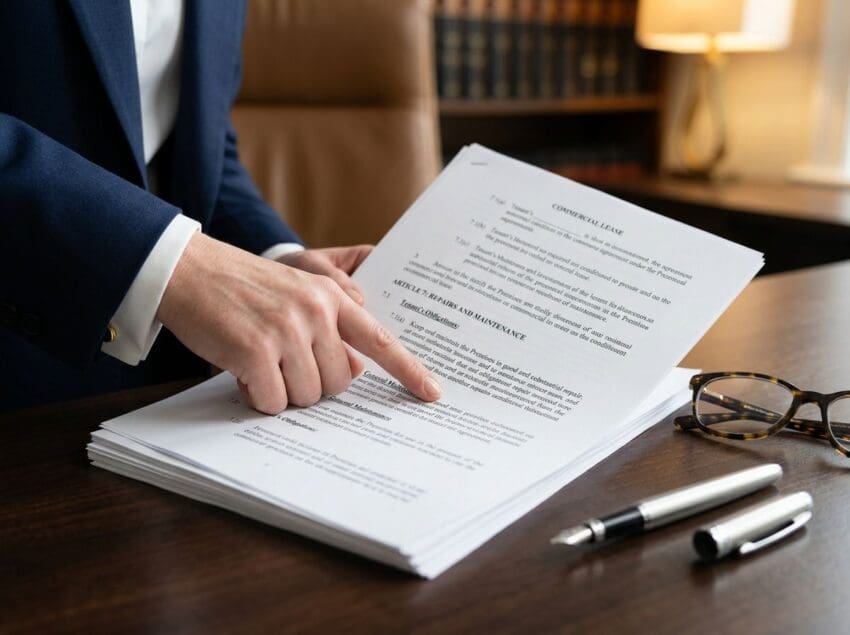
Once you sign, you carry the risk of the property, including defects, disputes, or legal problems present before you take ownership. You can’t walk away later just because you find a defect. You should negotiate terms before you sign to avoid costly surprises.
What a Checklist Misses
A standard checklist covers price, condition, and paperwork, but it won’t catch unresolved planning permits or disputed boundary lines. A solicitor knows which clauses hide costs and which facts a seller might leave out.
Review Your Contract Properly Before You Sign
Skipping a proper contract review can limit how you use the property, reduce resale options, or trigger ongoing disputes with neighbours or tenants. Fixing a problem after you buy the property costs more than paying a solicitor to catch it beforehand.
A property lawyer reviews your contract before you sign, so you know your obligations before you commit.
Talk to a Property Lawyer
A solicitor explains each clause in a commercial contract, so you know what every decision means before you sign if you’re considering a commercial purchase, lease, or boundary dispute, contact Melissa Barlas for advice.

Frequently Asked Questions
What does due diligence involve in a commercial property transaction?
Due diligence covers checking zoning rules, permitted uses, existing leases, and any easement or encumbrance on the title. A commercial property solicitor confirms the details before you sign, so you understand your interest in a property fully.
Can a tenant’s lease agreement affect a property I want to buy?
Yes. If a tenant occupies the premises, their lease agreement transfers with the sale, along with rent reviews and renewal options. Landlord and tenant issues fall under commercial property law and often need a lawyer familiar with leasing and property disputes.
What is the difference between residential and commercial conveyancing?
Commercial property conveyancing covers zoning, business use, and lease agreements. Residential and commercial conveyancing differ because commercial real estate involves stricter financing, higher capital, and a longer settlement process.
Why would I need an experienced commercial property lawyer?
Commercial transactions involve more complex contracts than a home purchase. An experienced commercial property lawyer identifies risks a standard checklist misses across complex property transactions.
What happens if a boundary dispute comes up after settlement?
A boundary dispute can limit development or signage rights on your premises. Property disputes are common in commercial property matters, so talk to a solicitor before you sign to give yourself more room to negotiate a resolution.
Do I need a property lawyer for both buying and leasing a commercial property?
Yes. Property law needs differ depending on whether you’re selling a commercial property, leasing a commercial property, or purchasing one outright. Property lawyers specialise in each type of commercial property transaction, and having one by your side helps you understand what the agreement means for you.
Relax knowing our experts are handling your property conveyancing.