


A licence agreement might seem like a minor step when buying property. But it can create serious problems later if you don’t read it carefully. Skipping small details in the document can cost you rights you didn’t know you were giving up.
The Hidden Risks Inside Your Licence Agreement
Continue reading to understand what a licence agreement promises. You’ll also learn how to protect yourself before you sign anything.
Key Takeaways
- A licence agreement lets you use land or property without owning it outright.
- Unclear terms in a licence agreement can limit how you use the property later.
- Some licence agreements include fees or conditions that only appear after signing.
- A lawyer can spot risky clauses before you commit to anything.
- Early review of the agreement can save you stress and money later.
What a Licence Agreement Grants
A licence agreement gives you permission to use a property, but it grants no ownership or long-term rights. Ownership comes with legal protections a licence does not provide, so without knowing the difference, you might think you have more security than the document offers.
Buyers Who Commit Without Understanding
Many buyers sign licence agreements quickly, especially under time pressure. The excitement of securing a property can distract buyers from careful reading.
Terms written in dense legal language are easy to miss. A clause limiting your use of the space might appear on page three. You may notice too late, after already accepting conditions you never intended to agree to.
Restrictions Limiting Your Use
Some licence agreements place strict limits on how you use the property. Property restrictions can affect renovations, renting out part of the property, or even daily access.
Without a proper check, you may only discover a restriction when you break it. The discovery comes at the worst possible moment. Renovation plans, guest arrangements, or property changes could suddenly become impossible under terms you missed.
Fees You Might Not See Coming
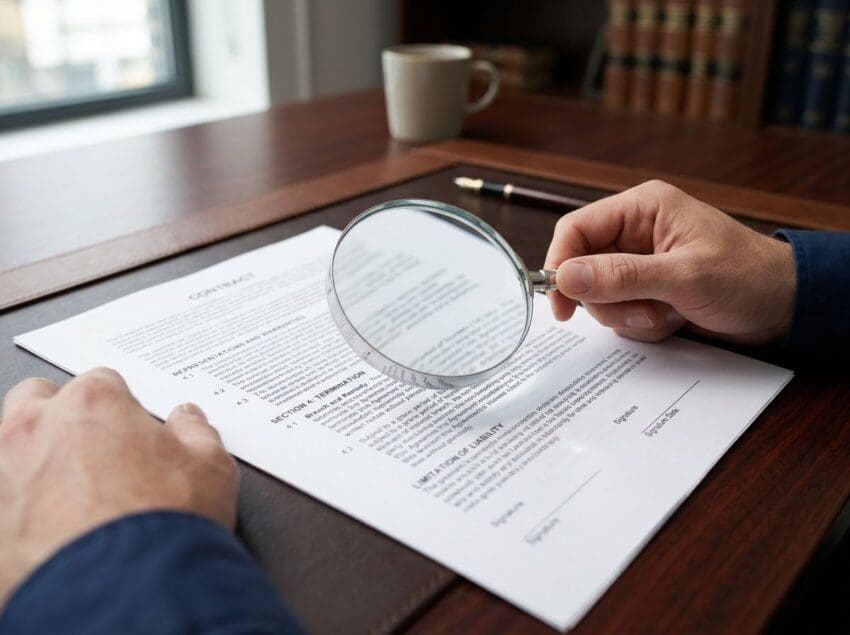
Certain licence agreements include costs you might not notice right away. Maintenance charges, admin fees, or penalty clauses can appear well after signing. Extra charges add up over time.
A seemingly cheap agreement can quickly become expensive. A careful read-through of every clause before signing helps you avoid unexpected charges later.
Why Legal Review Matters
Skipping a proper review can limit how you use the property, hide fees, or trigger disputes with the property owner. Fixing a problem after you sign can cost more time and money than reviewing the agreement beforehand.
A property lawyer reviews your agreement before you sign, so you know your obligations before you commit.
Long-Term Protection for Your Investment
Your rights under a licence agreement protect your investment long term. Understanding your rights now stops costly mistakes later.
A licence agreement matters more than paperwork. It shapes how you can use, rent out, or profit from a property. Time spent understanding the document protects the money you’ve invested.
Ask for Advice Before You Sign
A licence agreement can hide fees, restrictions, and obligations you might miss on your own. Some clauses limit how you use the property, add unexpected charges, or apply only after you sign.
Melissa Barlas reviews the document, explains what each clause means, and answers your questions before you sign. She can spot risks you would not notice yourself and help you decide your next step.

Frequently Asked Questions
How does a licence agreement differ from a lease?
A licence agreement gives permission to use a property, while a lease grants exclusive possession for a set period. A lease also carries stronger legal protections and security of tenure, which a licence does not provide.
Does a licence agreement grant exclusive possession of a property?
No. A licence agreement grants permission to use a property, but the owner keeps the right to access the space or let other parties use it too. Exclusive possession applies to a formal lease, not a licence.
Who are the parties involved in a licence agreement?
A licence agreement involves two parties: the party granting permission to use the property, and the party using it. The contract sets out the rights and responsibilities of both parties.
Can a licence agreement specify a fixed date or period for use?
Yes. Most licence agreements specify a start date and an end date, or a set period for use. Some agreements allow renewal after the period ends, depending on the terms in the document.
What happens if one party breaches a licence agreement?
A breach can lead to the agreement ending early, financial penalties, or a dispute between the parties. Legal advice can clarify the options available when it happens.
Can a licence agreement apply to a commercial premise?
Yes. A licence agreement can apply to a commercial premise, letting a business occupy the space for a short period without signing a formal lease. Terms around rent, outgoings, and permitted use still form part of the agreement.
How are disputes under a licence agreement resolved?
Disputes under a licence agreement can go through mediation before legal action. The contract usually sets out the process for resolving disagreements between the parties.
Does a licence agreement need registration?
Most licence agreements do not require registration, unlike a formal lease. Any registration requirement depends on the duration of the agreement and the relevant state legislation.
Relax knowing our experts are handling your property conveyancing.