
Every home sale comes with a document called a property title. The title lists more than an owner’s name and an address. It also carries rules, rights, and past claims tied to the land. Some hidden details stay unnoticed until a buyer faces a problem. Fixing the problem later costs more time and money than checking early.
The Hidden Risks Buried in Every Property Title
The sections below break down what a title reveals about a property. You’ll also see why a quick glance isn’t the same as a proper review.
Key takeaways:
- A property title carries legal details beyond an owner’s name and address.
- Some titles limit what an owner can build, extend, or change later.
- Easements give other people rights over your land, even after you buy it.
- Liens can pass unpaid debts from a past owner onto a new buyer.
- Title problems missed before settlement can leave a buyer with fewer options.
- A property lawyer spots title details buyers miss on their own.
What Is a Property Title?
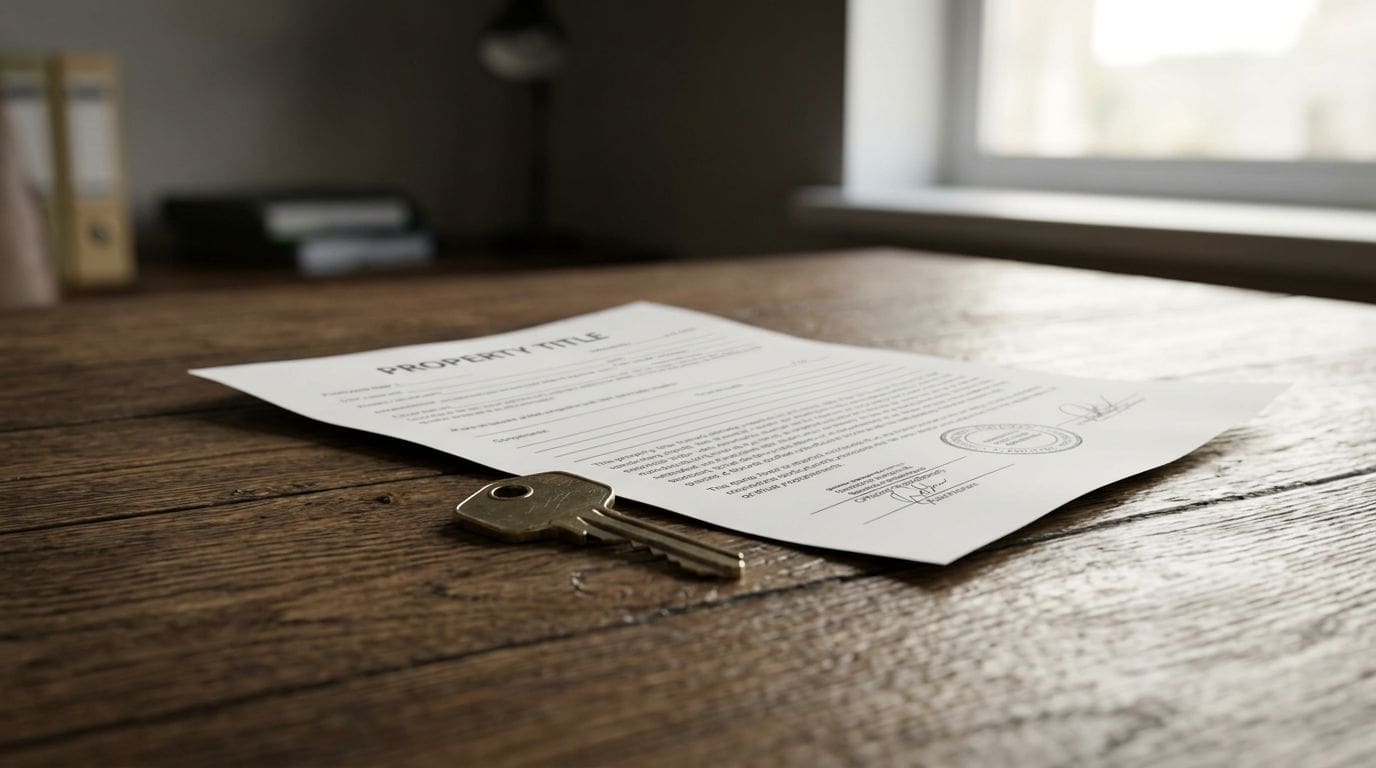
A property title proves who legally owns a piece of land or a home. In Victoria, the proof comes from a document called a Certificate of Title, issued by the state’s land registry. The certificate lists the owner’s name, the property address, and a lot number. The lot number identifies the exact block of land on official maps. Beyond ownership, it can also list rights, restrictions, or claims tied to the land from past owners.
What Your Title Doesn’t Show You
A property title looks simple on paper. It shows a name, an address, and a few numbers. The real risks exist in separate legal records connected to the title, such as old agreements or unpaid debts on the land. A buyer who checks only the title page can miss risks tied to the land.

Restrictions You Might Not Expect
Some titles limit what you’re allowed to build, extend, or paint on the exterior. Buyers rarely ask why the limits exist. A title can limit fencing height near a boundary. It might also block certain structures added later. Buyers find out only once renovations are already planned.
Easements Stay After You Buy
An easement gives someone else legal rights over part of your land. Common examples include drainage pipes, shared driveways, or utility access. The rights don’t expire when a property is sold. They transfer with the title, even if the new owner never knew about them.
What Are Encumbrances and Liens?
An encumbrance is anything registered on a title. It can limit how an owner uses the property. It might be a restriction, an unpaid fee, or a right given to someone else. A lien is one common example. It happens when a past owner owed money and never paid it off. The unpaid debt can stay linked to the property instead of the person responsible for it. A buyer who skips a title check can end up covering a cost with no connection to them.
Risks Found After Settlement
Some title issues remain invisible until settlement happens. Unpaid rates, illegal building works, or unresolved disputes tied to the land can remain hidden. Afterward, ending the contract and getting the deposit back is rarely possible. A buyer who skips a full title search might only discover a hidden problem weeks later. Fixing it then costs far more than checking would have.
A property lawyer with years of hands-on experience helps buyers know what to expect before signing anything.
Talk to a Property Lawyer Before You Sign
A title deserves a close, careful read. A lawyer checks it for what’s missing, beyond what’s written. The review covers each clause, each reference, and each past record tied to the land. Risks hidden deep in a title become visible before you sign anything. If you have questions, concerns, or want a second set of eyes on your property title, reach out to Melissa Barlas at Conveyed. She’s ready to help you move forward with confidence.

Frequently Asked Questions
How do I order a copy of a property title in Victoria?
A property owner can order a copy of title online through Victoria’s official land title service, Landata. A property owner can search using a property address or a volume and folio number, found in the top corner of a title certificate.
What is the difference between a paper title and an online land title?
A paper title was the original format used before digital records existed. Victoria has since moved to an online land title system, so most title documents are now available through Landata.
What details appear on an official record of ownership?
An official record lists ownership details, the property address, and registered interests such as mortgages. It also lists any instrument lodged against the title, including a discharge of mortgage once a loan is paid off.
What do survey plans show about a piece of land?
Survey plans show the boundary and dimension of a parcel of land, prepared by a licensed surveyor. Survey plans confirm the exact shape and size of a property before any transaction takes place.
Does land title registration work the same way in NSW and WA?
Ownership of land follows a similar title system in NSW, WA, and other Australian states, though each state runs its own land registry. NSW Land Registry Services, for example, manages titles separately from Victoria’s system.
Can a conveyancer help with property searches?
A conveyancer can handle basic property searches, though a property lawyer is authorised to review legal risk in more depth. Both roles support a buyer during a property transaction.
Do planning agreements or a development affect a property’s title?
Planning agreements and a nearby development can affect the land through added conditions on a title. A stratum title, common in units, may also carry shared obligations a lawyer can certify before purchase.
How do I access a Landata account to obtain copies of title information?
A buyer or professional can log in to a Landata account to obtain copies of title information held by the Victorian state government. A Landata account supports property owners across Victoria, including Melbourne and surrounding suburbs.
Relax knowing our experts are handling your property conveyancing.