
In Victoria, the risks of a property become yours the moment you sign the contract. Do you know what your sale agreement and the vendor statement really say before you buy?
Why a Conveyancing Solicitor Protects You Before You Buy
Continue reading and learn how a conveyancing solicitor checks the fine print, explains the danger, and tells you if the purchase is safe.
Key Takeaways
- A conveyancing solicitor checks your sale contract before you commit any money.
- In Victoria, the buyer becomes liable for property faults from the day of signing.
- The vendor statement, or section 32, reveals costs and limits worth knowing early.
- A solicitor finds hidden problems that an untrained reader would miss.
- Solicitors carry legal insurance on their advice, while conveyancers usually do not.
- A small legal fee can save a buyer from a very expensive mistake.
- Sound legal advice shows whether a purchase is safe before you buy.
Review Before You Take Risk
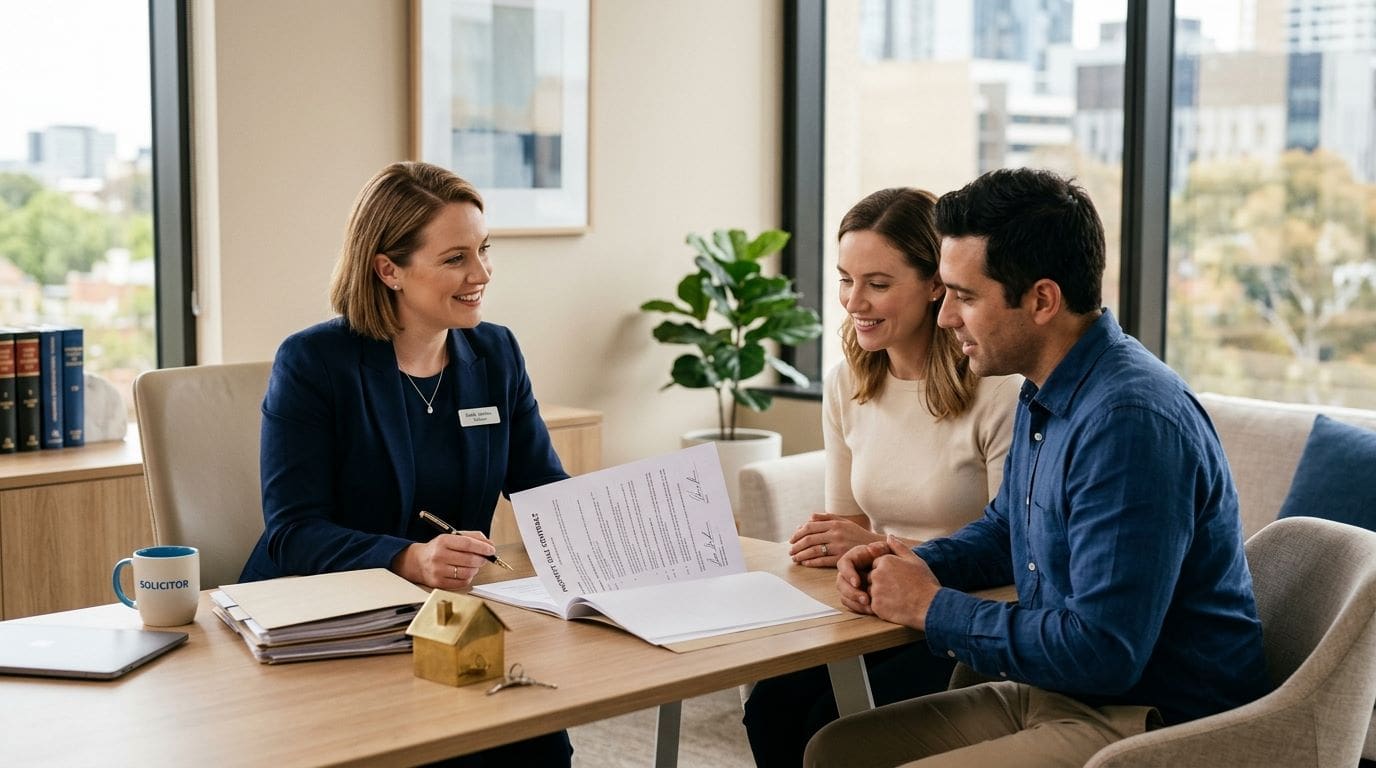
A conveyancing solicitor examines your sale contract well before you pay any money, while you still have the option to walk away. In Victoria, two documents shape your purchase: the contract of sale and the vendor statement. Each holds terms and disclosures able to affect your rights for years, so a solicitor reads every line and explains the meaning in plain words.
Risk Passes To You Immediately
You inherit every property problem the day you sign the sale contract. From then on, the cost of any fault is yours to carry.
If a problem appears later, ending the purchase is usually impossible. The law rarely lets a buyer reclaim a deposit after signing. A solicitor warns you of the danger while you still control the decision.
Hidden Costs In Vendor Statements
The vendor statement, also called a section 32, lists legal disclosures about the property. Rates, levies, restrictions, and past works all appear inside the paperwork.
Picture an apartment that looks perfect, yet owes owners corporation fees above ten thousand dollars a year. Non-compliant combustible cladding and a lawsuit against the builder created the bill. A solicitor would have flagged the expense before any commitment.
A Solicitor Spots Hidden Dangers
A qualified solicitor finds even the smallest risks in your paperwork. Illegal works, encumbrances, easements, and owners corporation disputes rarely escape a trained eye.
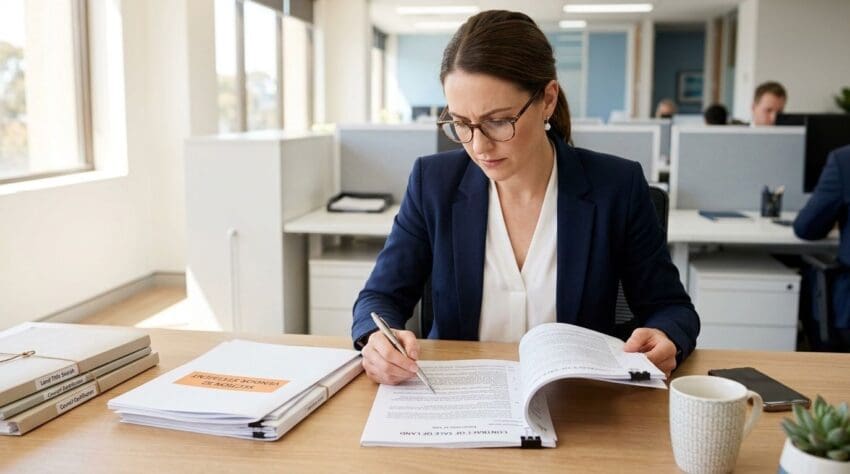
A self-review invites mistakes, because complex clauses hide their true effect. A legal expert turns dense wording into meaning you can act on.
Insurance Protects Your Legal Advice
Some buyers hire a local conveyancer to save money. Many conveyancers are talented, yet they are not legally insured or qualified to review contracts.
Should their advice fall short, their indemnity insurer may not cover your losses. A conveyancing solicitor carries professional insurance behind every piece of advice.
Legal Review Beats Costly Regret
The fee for a contract review is far smaller than the cost of a bad buy. Every dollar counts when buying your first home, so the worry about spending is fair. Still, one overlooked risk can outweigh the price of proper legal advice many times over, and sound guidance tells you whether your purchase is truly a wise decision.
A good conveyancing solicitor will never miss any of the risks listed above and will protect you through the entire purchase.
Buy With Real Confidence
Legal advice is your best safety net before the biggest financial decision of your life. Reach out to Melissa Barlas at Conveyed to talk through your contract, your concerns, and your property plans.

Frequently Asked Questions
What does a conveyancing solicitor do?
A conveyancing solicitor reviews your sale contract and vendor statement, explains your rights and obligations, and guides you through the settlement process. The role covers legal advice, property searches, and the transfer of ownership.
What is the difference between a conveyancer and a solicitor?
A licensed conveyancer manages the conveyancing process, while a solicitor is a qualified property lawyer with wider legal training. A solicitor also carries professional indemnity insurance on the legal advice given.
Why does conveyancing matter when buying or selling property?
Property conveyancing confirms that terms are fair, searches are clear, and ownership transfers correctly. Good conveyancing service gives you peace of mind during one of the largest financial decisions of your life.
How much are conveyancing fees?
Conveyed uses a fixed fee system that starts from $330, so you know your conveyancing costs upfront. A fixed fee helps first home buyers and investors budget for the full property transaction.
What happens during the settlement process?
At property settlement, funds and documents are exchanged, adjustments for rates and water are calculated, and the title passes to you. A conveyancing team liaises with your bank or financial institution to keep the transaction on schedule.
Do I need to think about stamp duty?
Stamp duty is a tax payable on a property purchase, and the amount depends on the price and your circumstances. A property lawyer calculates the duty and helps you plan for the cost early.
Where does Conveyed provide conveyancing services?
Conveyed serves Victoria, and through a network of partners it covers Queensland, New South Wales, Western Australia, and Tasmania. The team handles residential property and investment property matters in Melbourne suburbs and along the East Coast.
How quickly is a contract reviewed?
Conveyed publishes a 48-hour contract review turnaround and a one-week contract preparation window. Fast review helps with auctions, short settlements, and other urgent property matters.
Can a solicitor help first home buyers?
Yes. Experienced property lawyers explain the conveyancing process in plain language and support first home buyers at every step. Clear guidance turns a complex purchase into a calmer experience.
Relax knowing our experts are handling your property conveyancing.